
- Cloud Restaurant Manager vs Lightspeed
Compare Advanced Restaurant Operations Tools
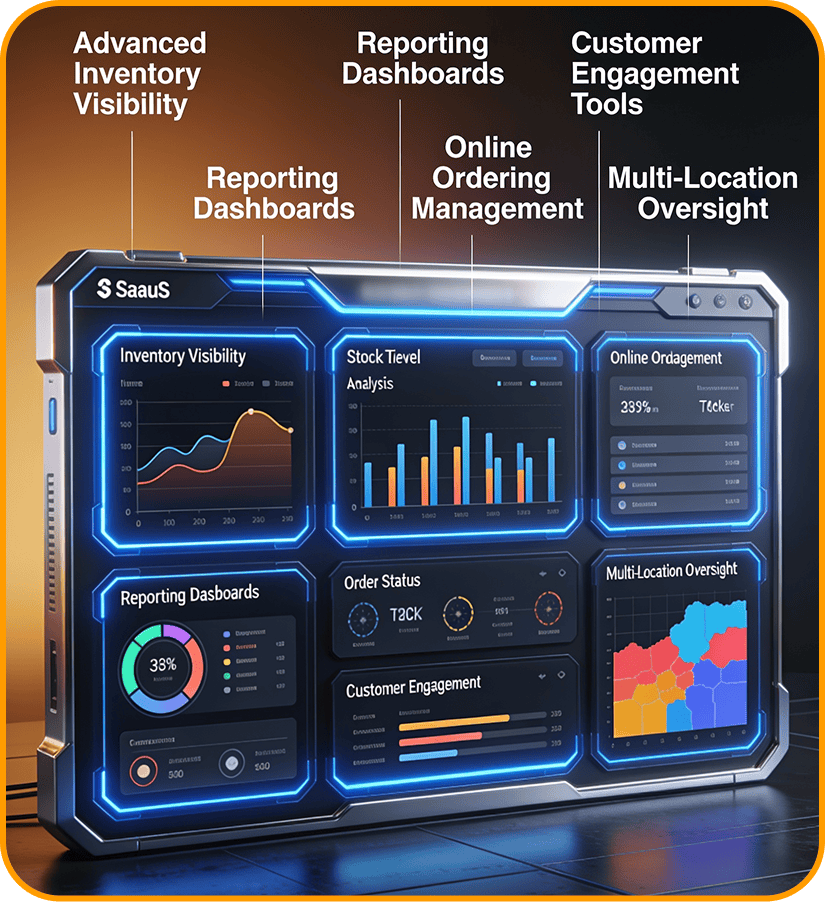
Restaurants comparing Cloud Restaurant Manager and Lightspeed often want a deeper look at operational control, inventory visibility, reporting dashboards, online ordering, customer engagement, and multi-location restaurant management capabilities.
- Why Restaurants Compare
Restaurants Need More Than a Register and Basic Reports
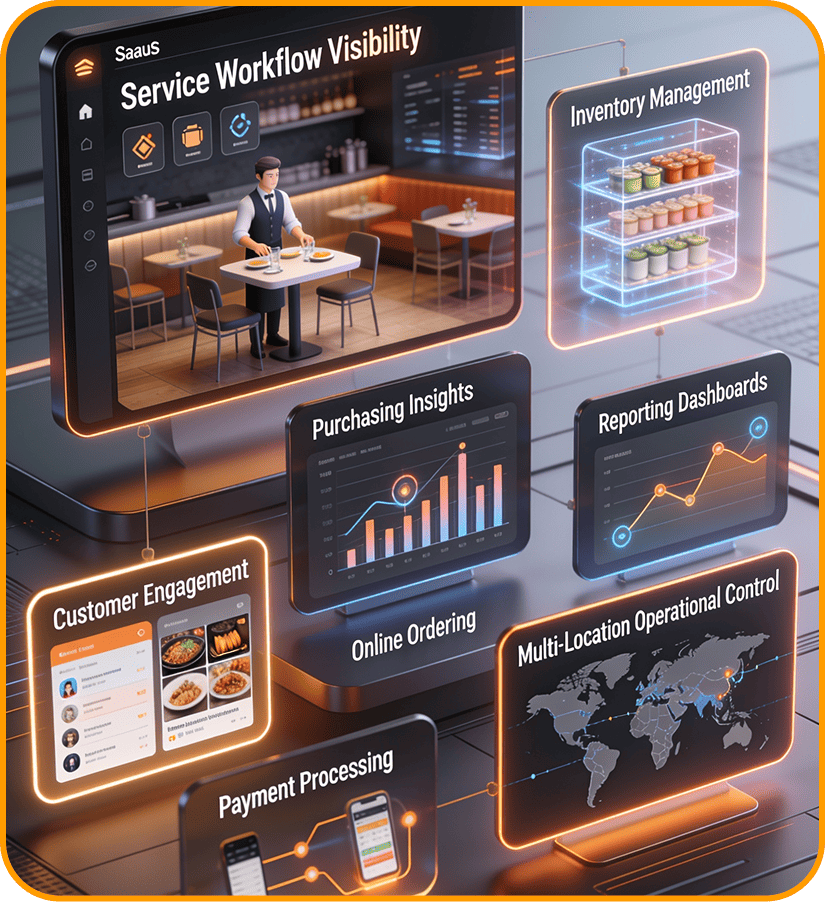
- Service workflow visibility
- Inventory and purchasing insight
- Reporting dashboard clarity
- Multi-location operational control
- Operational Visibility Comparison
Compare How Each Platform Helps Managers
See What Is Happening
impacts service quality, inventory levels, labor efficiency, customer activity, and business performance.
Category
Cloud Restaurant Manager
Lightspeed
- Restaurant Management Priorities
Priorities That Influence Software Selection
supports their biggest operational priorities, from food cost awareness to stronger decision-making visibility.
Business Performance Monitoring
Track operational trends, sales movement, order channel activity, labor performance, and business health indicators so managers can respond before small issues become larger problems.
Inventory Cost Awareness
Monitor purchasing activity, stock movement, ingredient usage, waste signals, and food cost trends to understand how inventory decisions affect profitability.
Team Coordination
Support communication between managers, front-of-house staff, and kitchen teams through clearer schedules, order visibility, prep workflows, and operational context.
Customer Relationship Management
Maintain customer history, loyalty activity, rewards participation, gift card usage, and repeat-visit opportunities that help restaurants build stronger guest relationships.
Expansion Readiness
Support operational consistency across additional locations, larger teams, expanded menus, centralized reporting, and stronger brand standards as the restaurant grows.
Decision-Making Visibility
Provide reporting insights that help restaurants respond faster to service challenges, inventory pressure, labor needs, menu performance changes, and location-level trends.
- Inventory & Reporting Visibility
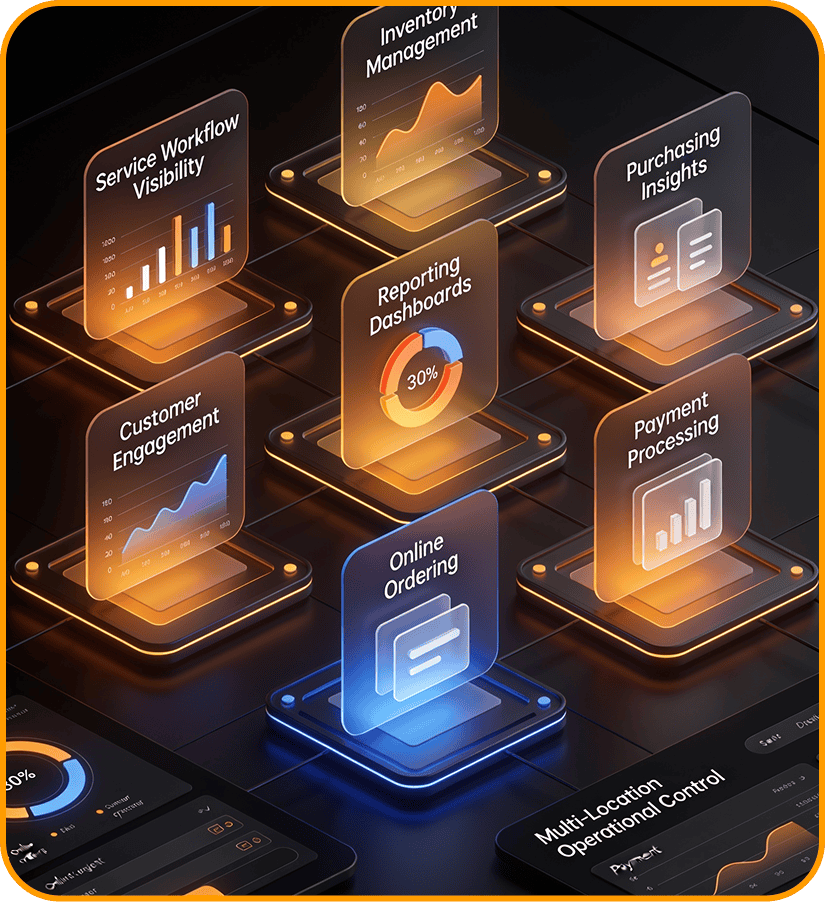
Operational Decisions Depend on Clear Restaurant Data
- Cost & Value
Value Should Be Measured by Operational Clarity
reporting depth, inventory control, and long-term scalability.
Cloud Restaurant Manager May Fit Restaurants That Want
A connected restaurant management platform focused on POS, inventory visibility, staff scheduling, online ordering, reporting dashboards, customer loyalty, payment processing, and multi-location management.
Lightspeed May Fit Restaurants That Want
A recognized restaurant POS and commerce platform with restaurant tools, reporting capabilities, and operational features that can support hospitality businesses.
- Cloud Restaurant Manager Advantage
Built Around Connected Restaurant Operations
- Restaurant POS software
- Inventory management
- Reporting dashboards
- Staff scheduling
- Online ordering
- Multi-location visibility
Operational Clarity
Growth Readiness
- Migration & Switching
Moving from Lightspeed to Cloud Restaurant Manager
Review current POS, reporting, and inventory workflows
Identify gaps in staff scheduling and customer engagement
Compare multi-location visibility and operational standards
Plan menu, online ordering, and reporting transition needs
Move toward connected restaurant management workflows
Explore the Cloud Restaurant Manager vs Lightspeed Comparison
loyalty, payment processing, and multi-location management through a restaurant-focused platform built for operational clarity.