
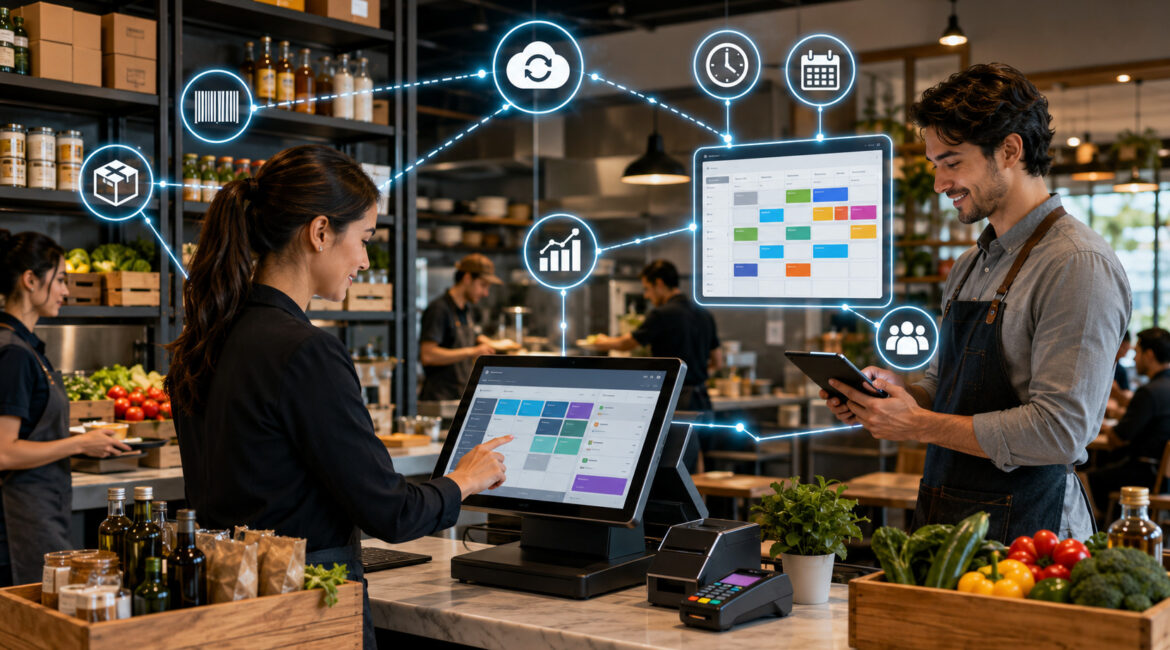
Restaurant operations generate a constant stream of information. Every order affects sales totals, ingredient usage, kitchen preparation, staffing demand, labor hours, purchasing needs, and end-of-day reporting. When those activities are managed in separate systems, managers often spend valuable time transferring numbers between spreadsheets, checking multiple dashboards, correcting inconsistent records, and...
Switching POS Systems Without Disrupting Service
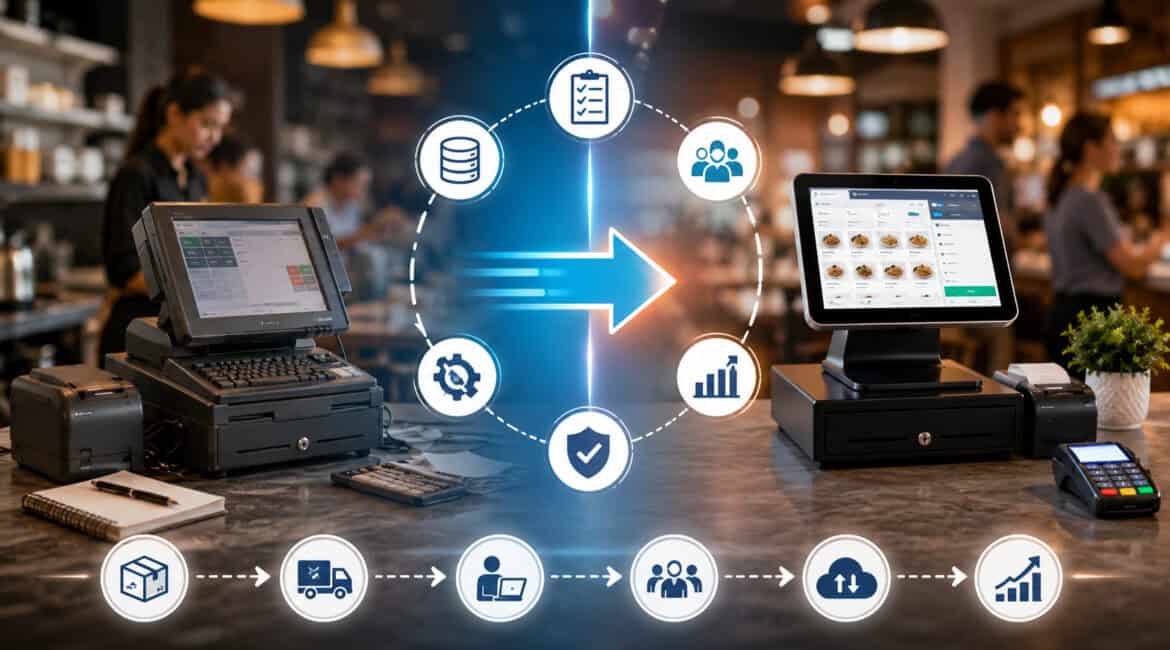
Switching POS systems without disrupting service requires more than installing new terminals and teaching employees where to tap the screen. A restaurant’s point of sale system connects ordering, payments, tips, receipts, kitchen communication, menu availability, inventory, online orders, employee access, and management reporting. When any part of that network is...
Restaurant POS Reporting Explained
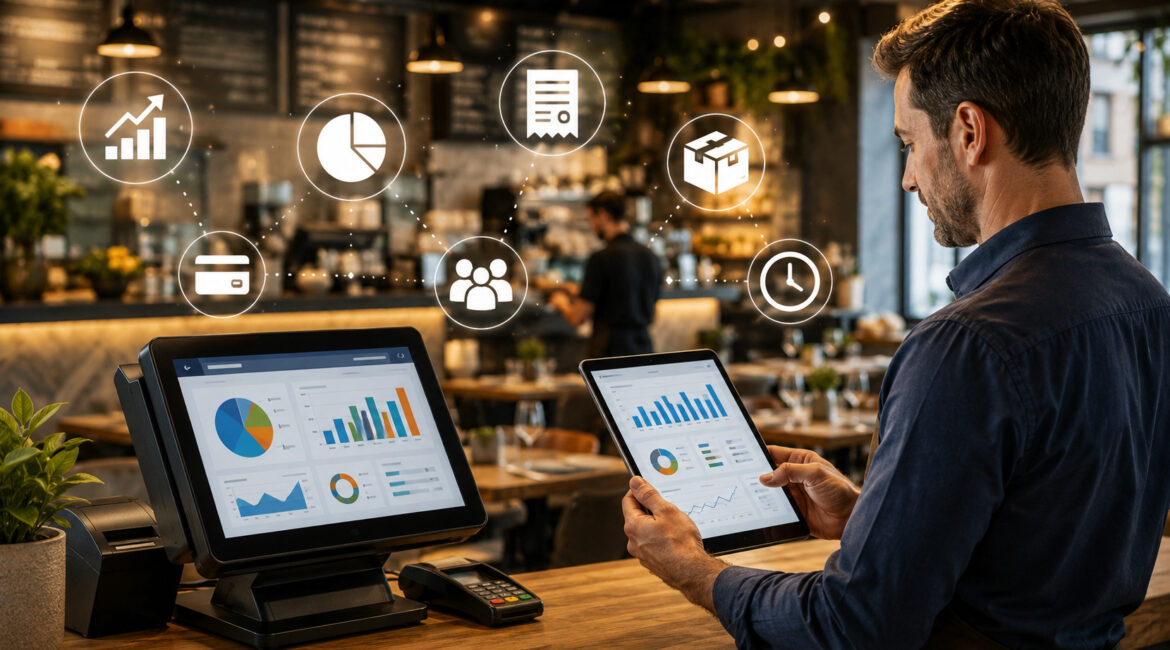
Restaurant operations generate information throughout every shift. Every order entered, menu item sold, discount applied, employee clock-in, payment accepted, refund processed, and ingredient used creates data that can help operators understand what is happening inside the business. Restaurant POS reporting turns that activity into organized reports. Instead of relying only...
Benefits of Using a POS System for Small Restaurants
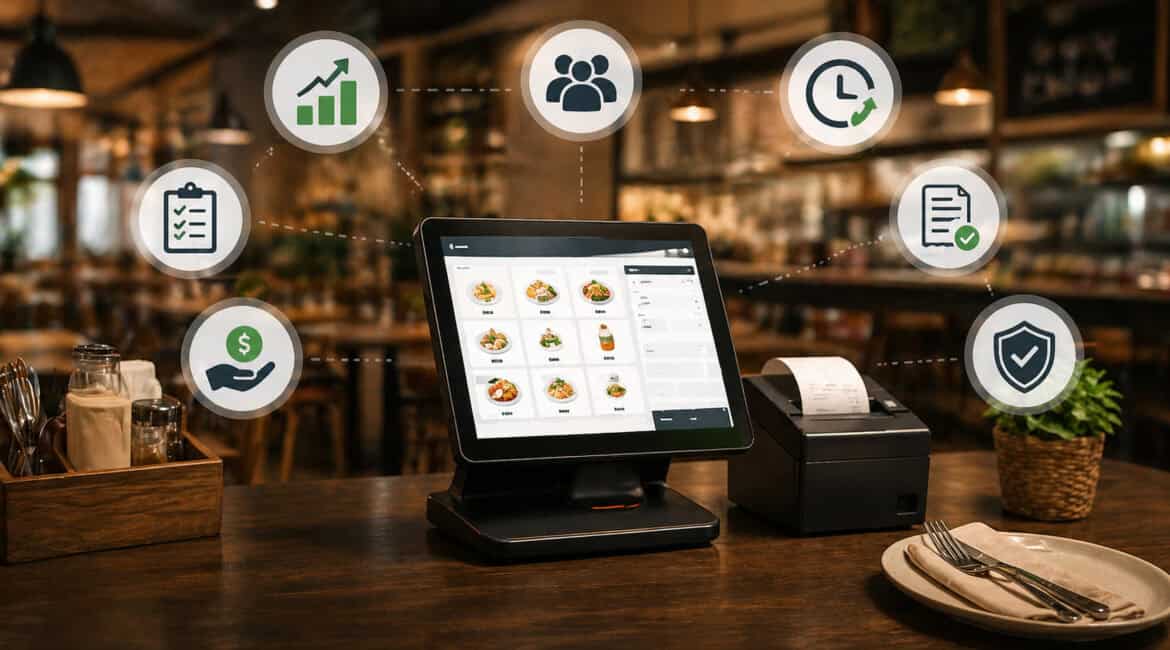
Small restaurants need more than a cash register to stay organized. A busy café, food truck, quick-service counter, family-owned diner, or neighborhood restaurant has to manage orders, payments, staff, menu changes, inventory, tips, discounts, refunds, and customer expectations—often with a small team and limited time. A POS System for Small...
Secure Payment Processing in Restaurant POS Systems
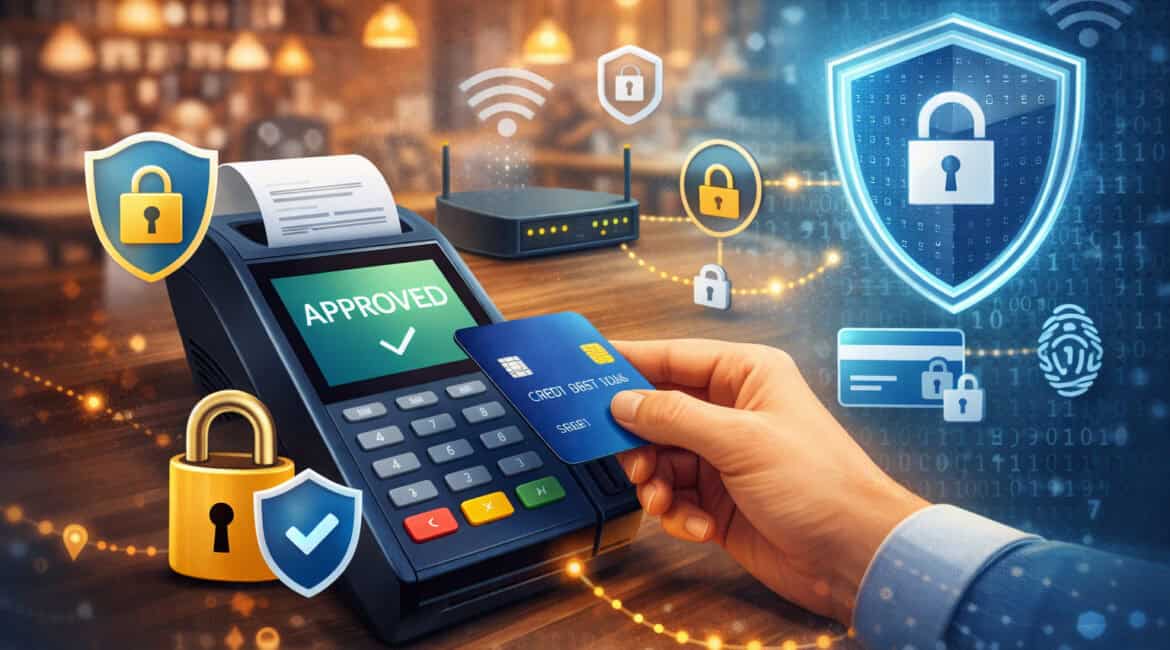
If you run a restaurant, your POS isn’t “just a register.” It’s a payment acceptance stack made of hardware, software, networks, people, and vendors—all working together in a fast-moving environment with staff turnover, busy service periods, and multiple ordering channels. That’s why secure payment processing in restaurant POS systems isn’t...
Restaurant POS Integration with Online Ordering
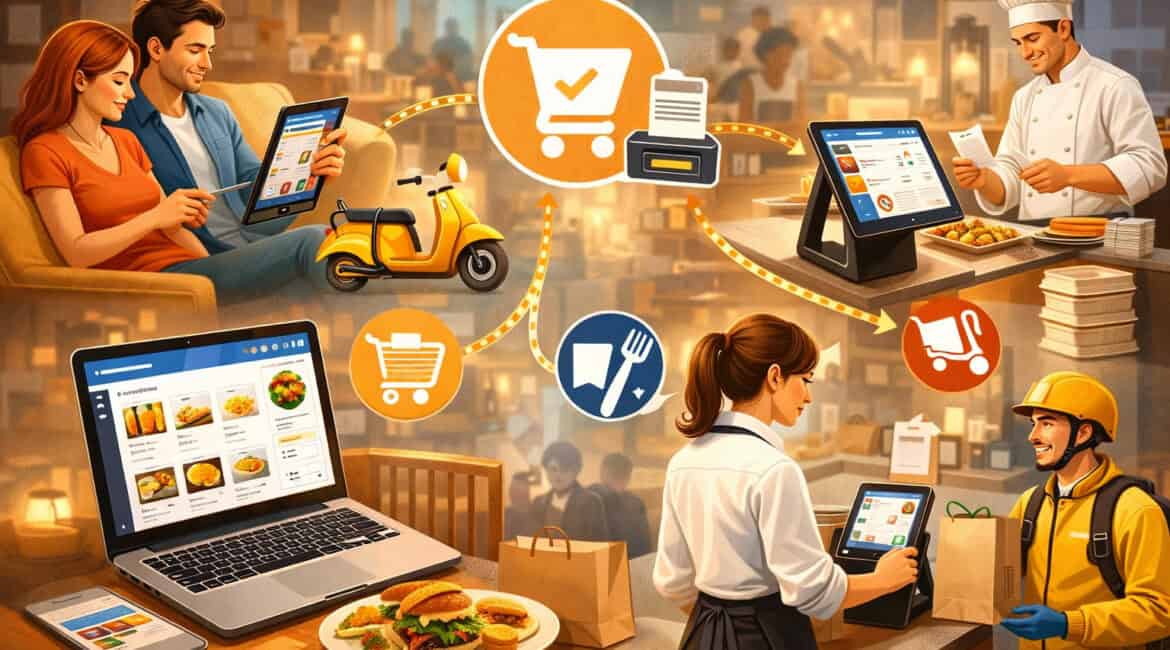
Online orders shouldn’t feel like a second restaurant you’re running on the side. If your team is still re-typing orders, chasing menu mismatches, or guessing prep timing, you don’t have an online ordering problem—you have an integration problem. This Restaurant POS integration with online ordering guide is written for owners,...
POS Security and Compliance for Restaurants
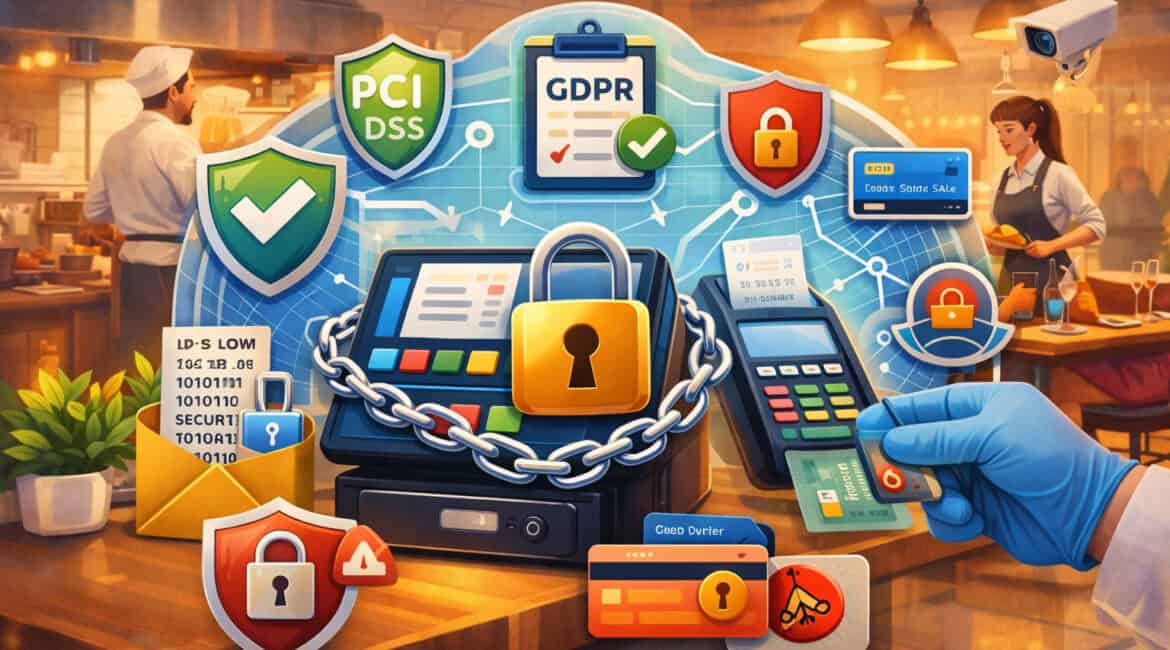
POS security and compliance for restaurants is no longer just an “IT problem.” A modern restaurant point of sale is a connected ecosystem: terminals at the counter, handheld tablets on the floor, kitchen display systems, online ordering integrations, loyalty apps, delivery marketplaces, Wi-Fi for guests, and remote vendor support. Every...
Future Trends in Restaurant POS Technology
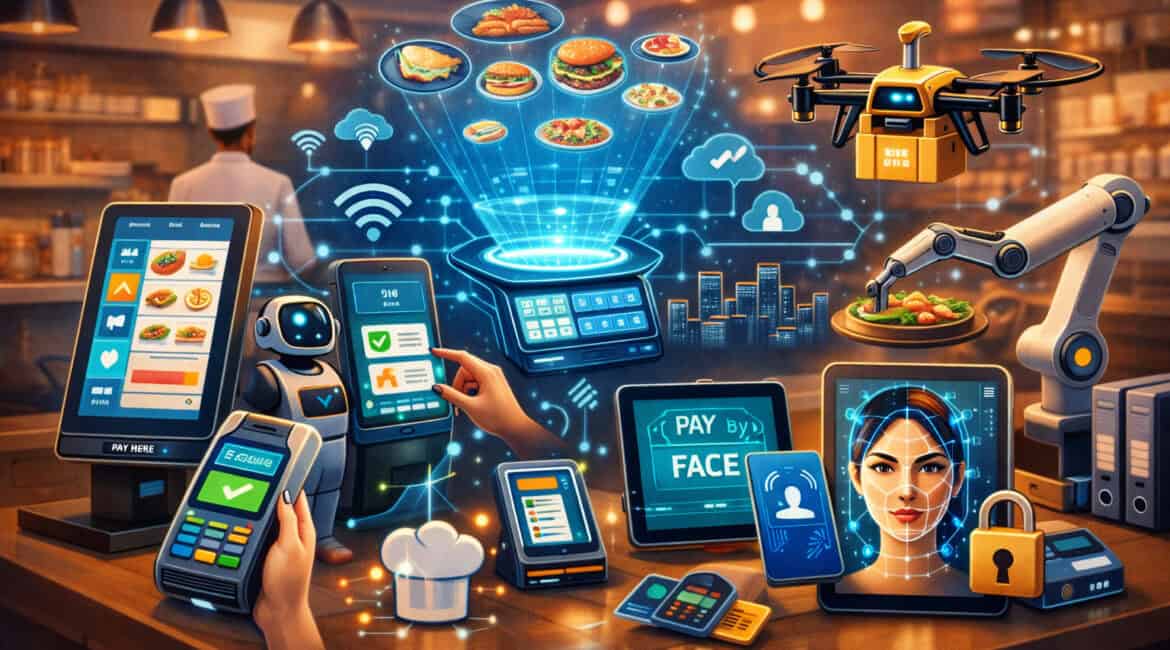
Restaurant POS technology is no longer “just a cash register.” It has become the operating system for modern food service—connecting ordering, payments, labor, inventory, loyalty, marketing, accounting, delivery, and reporting in one place. Over the next few years, restaurant POS technology will evolve even faster because operators are facing the...
POS Setup Checklist for New Restaurants
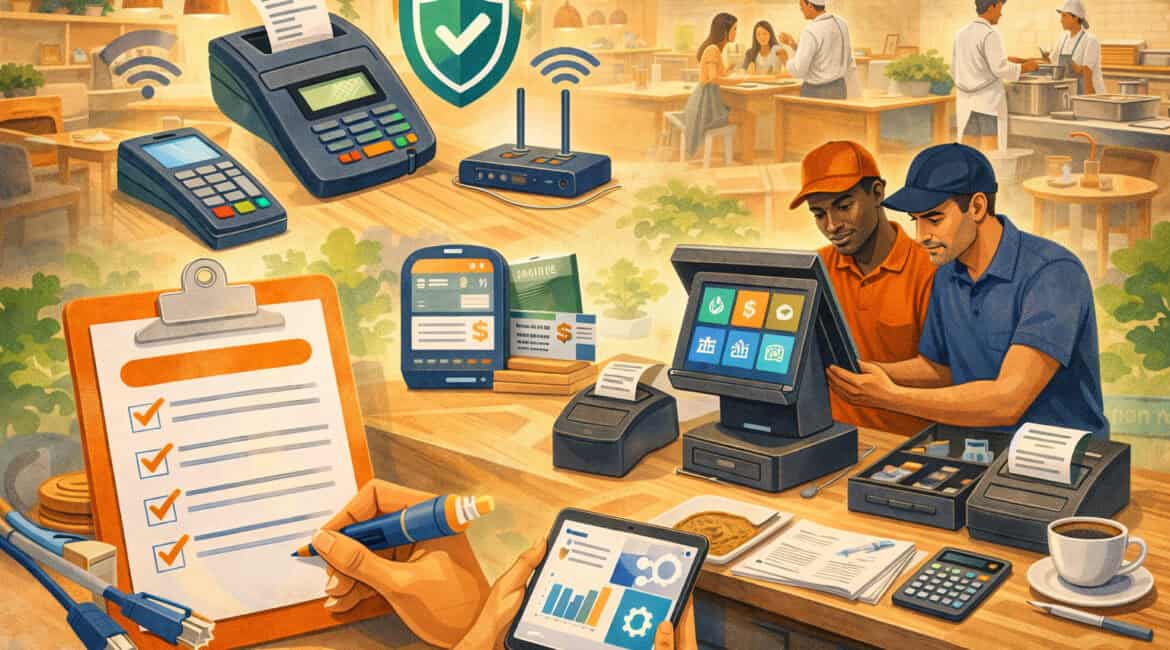
Opening day rarely fails because the food is bad. It fails because service is slow, tickets get lost, staff can’t find buttons, payments stall, or the kitchen and front-of-house stop talking. A POS setup checklist for new restaurants keeps you out of that spiral by turning “we’ll figure it out”...
Restaurant POS Systems for Multi-Location Operations
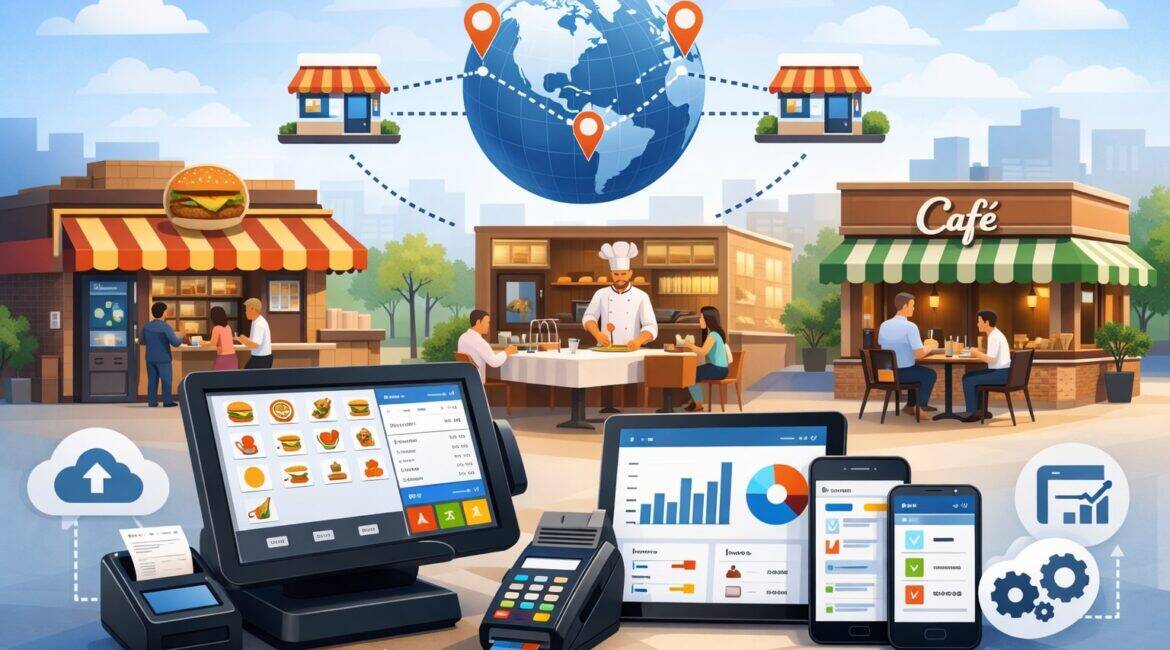
Running more than one restaurant location is exciting—and brutally complex. The moment you add a second store, you’re no longer just choosing a checkout screen. You’re choosing the operational backbone that controls menus, pricing, inventory, staffing, reporting, online orders, loyalty, and payment acceptance across every location. That’s why a multi-location...