
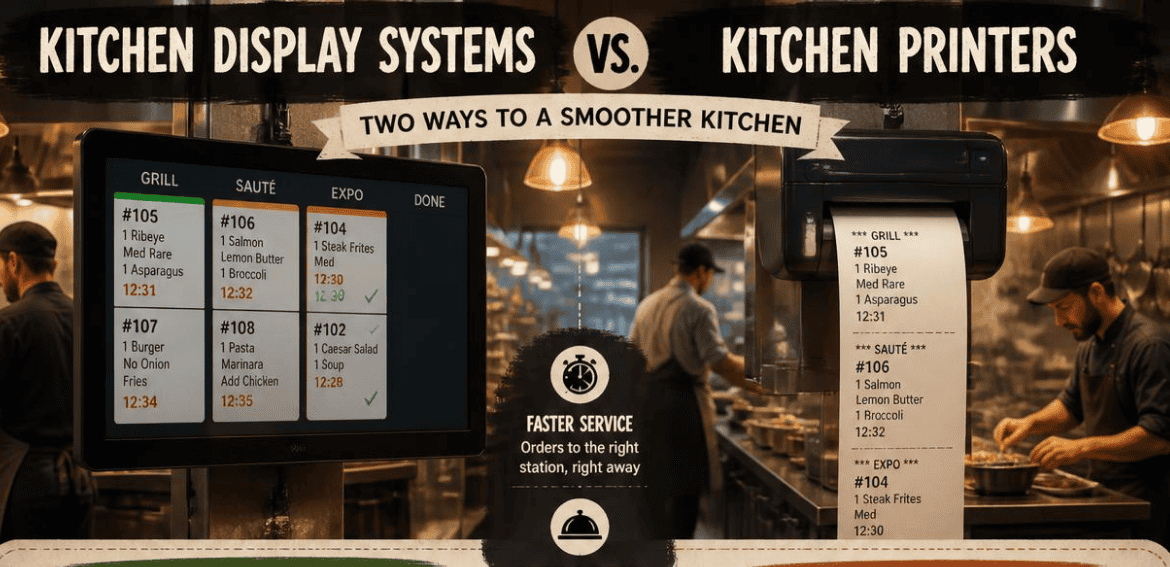
It's the middle of the Friday dinner rush. The thermal printer spits out a long ribbon of tickets. One slips behind the prep station. The expo is shouting. A cook fires the wrong table. The line is buried, and nobody can tell which order came in first. This might sound...
Tip Credit Notice and Payroll Records Restaurants Should Reconcile
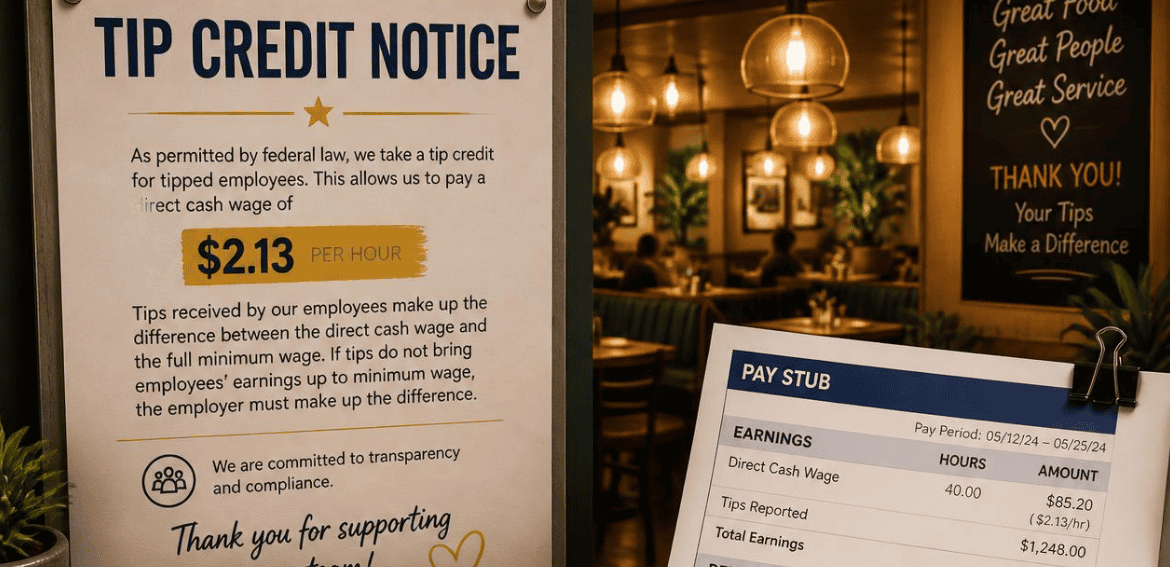
Most restaurant owners think a tip credit saves them money. It does. But it also creates a paper trail that has to match. One missing signature. One number that doesn't line up. That's often all it takes for a wage claim to succeed. There’s no such thing as a free...
Tracking Food Costs with Restaurant Software
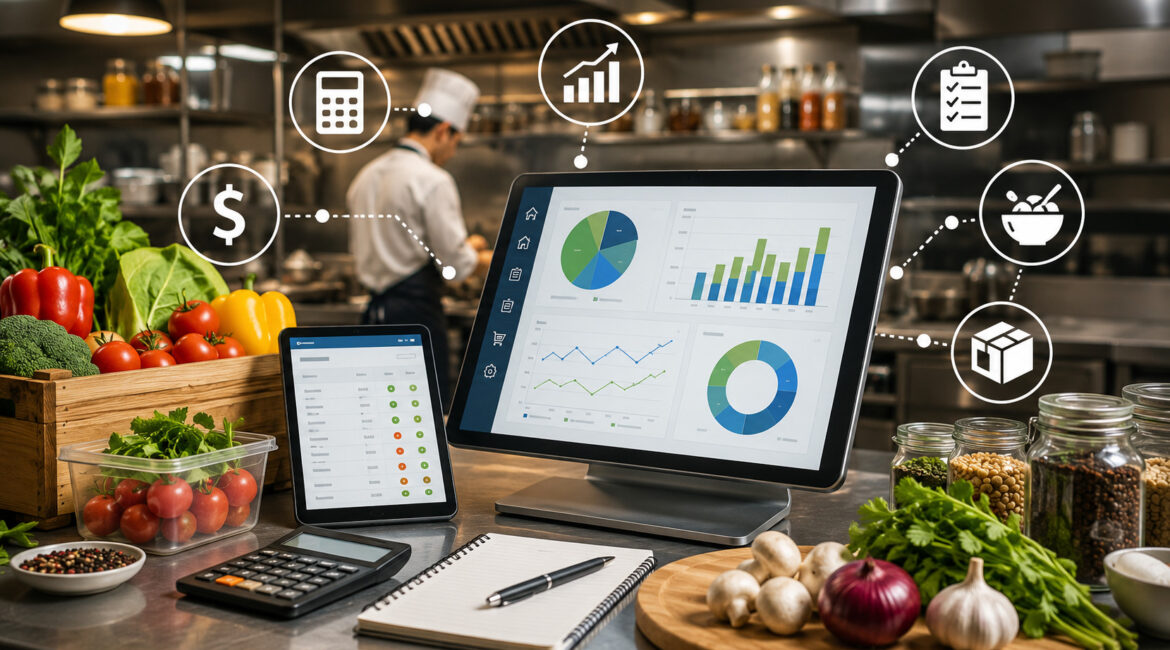
Food costs can change quickly. A supplier may raise the price of cooking oil, protein portions may become inconsistent, produce may spoil before it is used, or staff may prepare more food than customer demand requires. Each issue may appear small during a busy shift. Together, however, they can reduce...
Integrating POS with Restaurant Management Software: The Complete Modern Guide for Smarter Operations
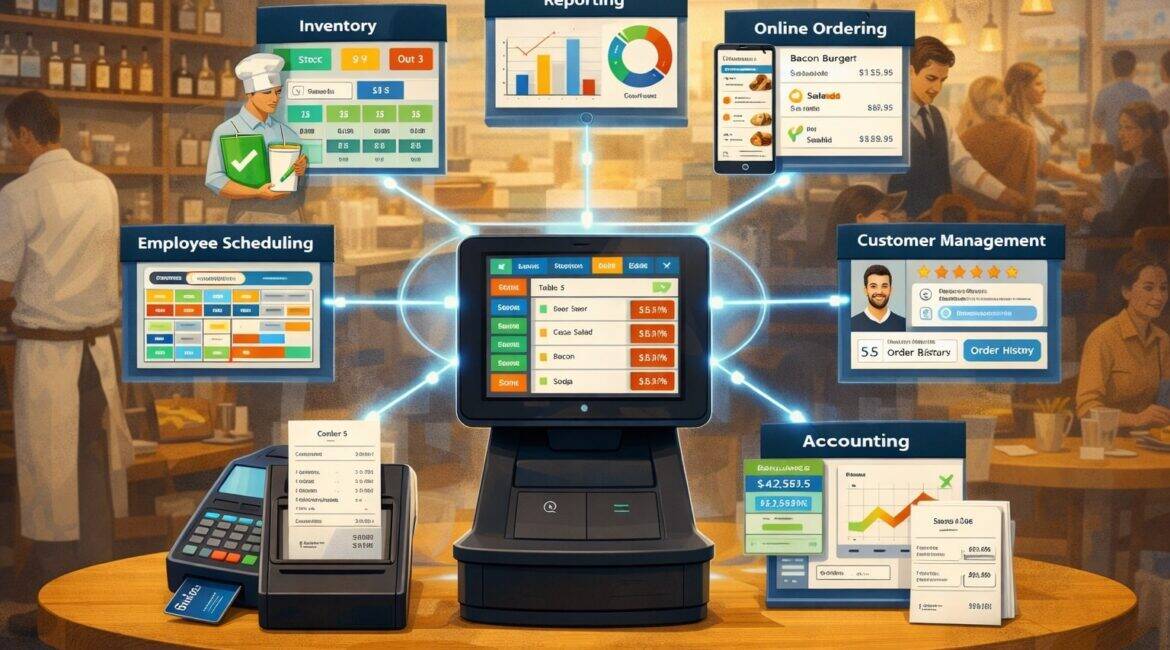
Integrating POS with restaurant management software has shifted from a “nice-to-have” to the backbone of efficient restaurant operations. A modern POS is no longer just a checkout screen—it is the system that captures orders, payments, menu performance, staff activity, and guest behavior in real time. Restaurant management software expands that...
Restaurant Management Tools Every Owner Should Know
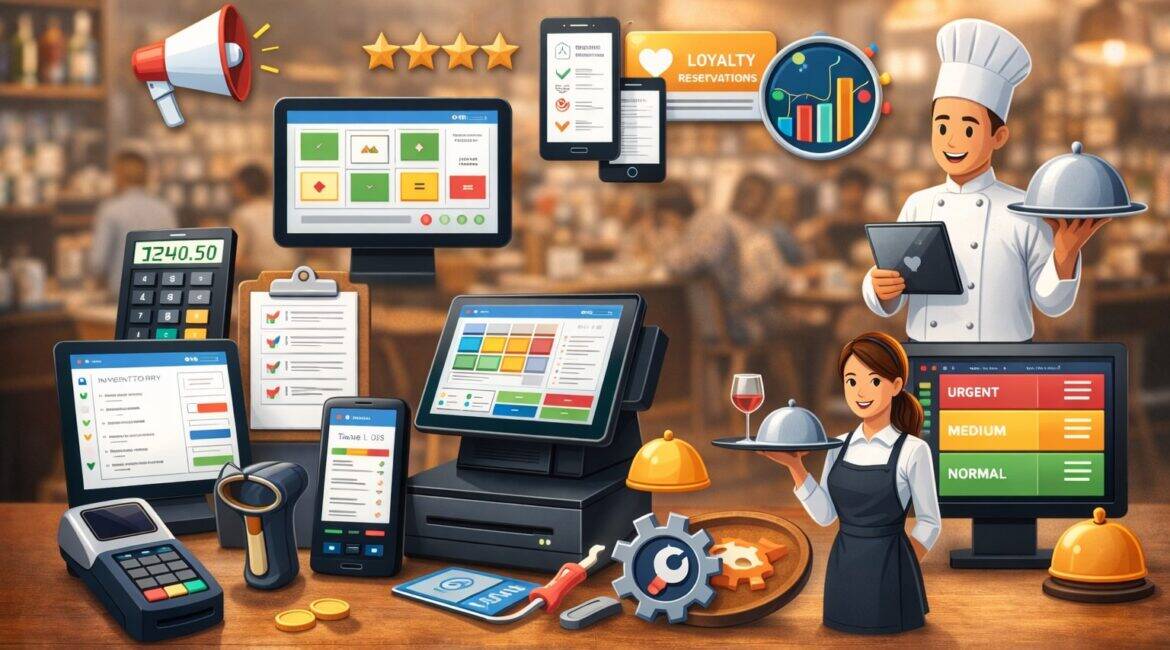
Running a restaurant is a daily balancing act: food costs shift, labor rules evolve, guests expect speed, and margins stay tight. The difference between “busy” and “profitable” often comes down to systems. The right restaurant management tools turn scattered tasks—orders, inventory, schedules, reviews, invoices—into one coordinated operation. Modern restaurant management...
Choosing the Right Restaurant Management Software
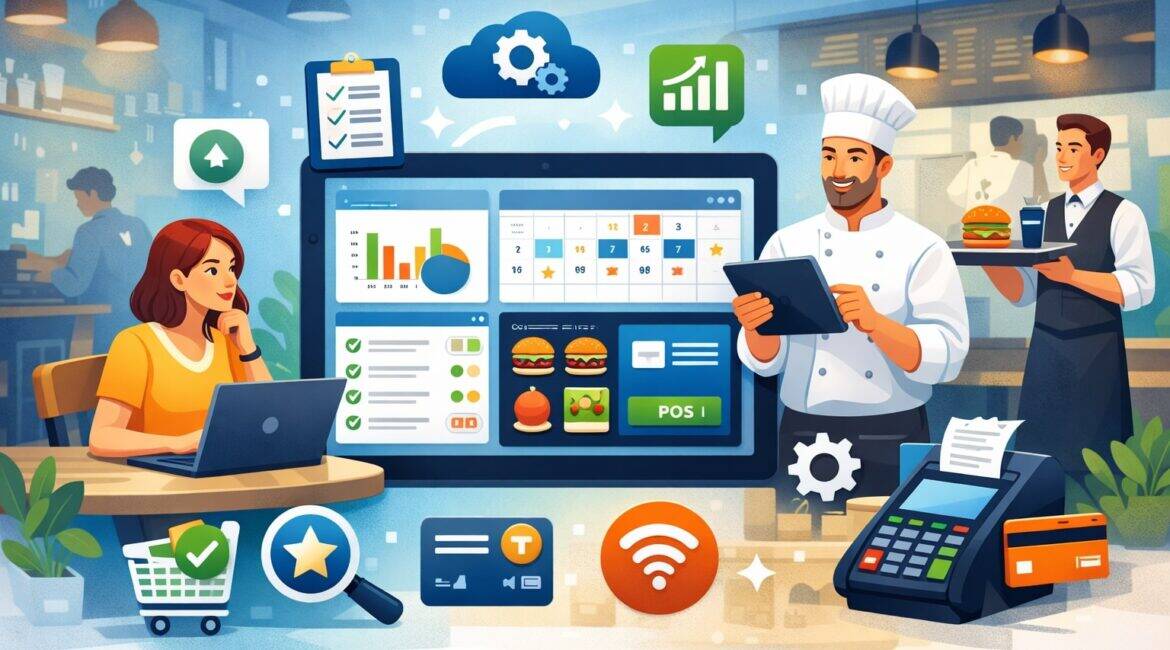
Restaurant management software is no longer “nice to have.” It’s the operational backbone that connects ordering, payments, kitchen execution, inventory, labor, marketing, and reporting into one system. When restaurant management software is chosen well, it reduces waste, tightens labor, speeds service, and improves consistency across every shift. When restaurant management...
Restaurant Management Systems Explained for Beginners
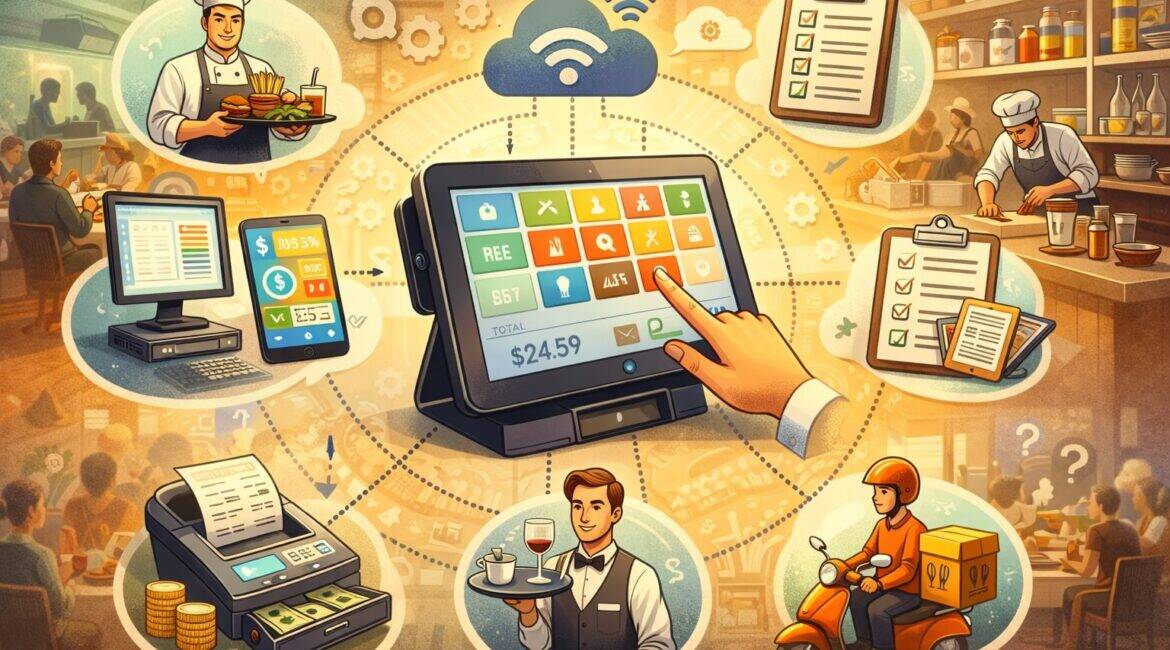
Running a restaurant looks simple from the outside: take orders, cook food, serve guests, and collect payment. In real life, it’s a fast-moving operation with dozens of parts that need to work together—front of house, kitchen, inventory, staffing, accounting, marketing, and customer service—often all at once. A restaurant management system...
Common Restaurant Problems Solved by Management Software
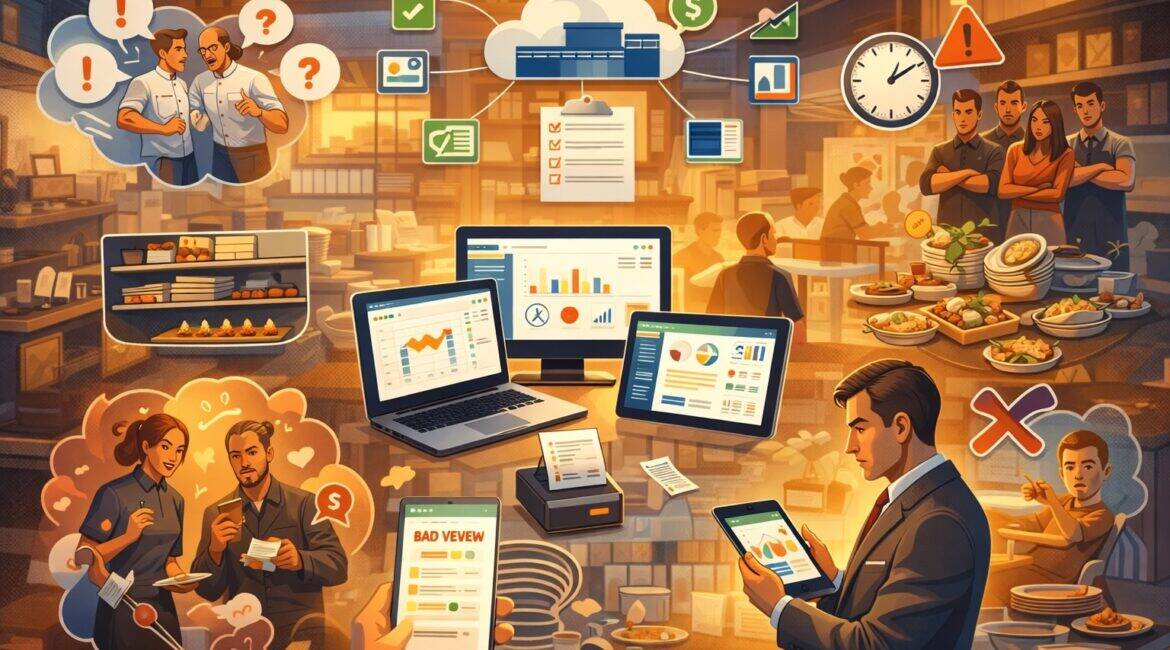
Running a restaurant is a daily balancing act: guest experience, food quality, labor, costs, inventory, speed, and consistency—all while margins stay tight. Restaurant management software is built to reduce that pressure by connecting front-of-house and back-of-house workflows into one coordinated system. Instead of managing operations with disconnected spreadsheets, handwritten logs,...
All-in-One Restaurant Management Software Explained
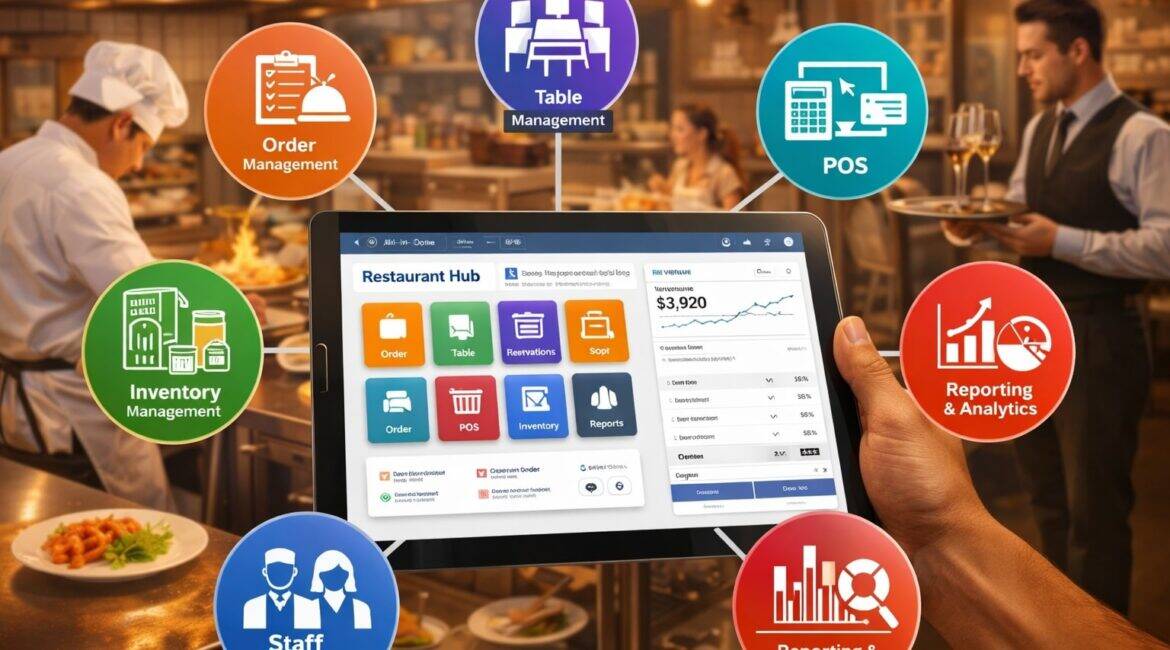
All-in-one restaurant management software is a single, connected system that runs the core of your restaurant—point of sale, online ordering, menu updates, inventory, labor, reporting, guest data, and payments—without forcing you to stitch together a dozen apps. For owners and operators, the value is simple: fewer manual steps, fewer mistakes,...
Key Features Every Restaurant Management Platform Should Have
Running a modern restaurant is no longer just about great food and hospitality. It’s about speed, accuracy, cost control, staffing, guest experience, and real-time visibility—often across multiple locations and sales channels. That’s why choosing (or building) the right restaurant management platform has become a make-or-break decision for operators. A strong...